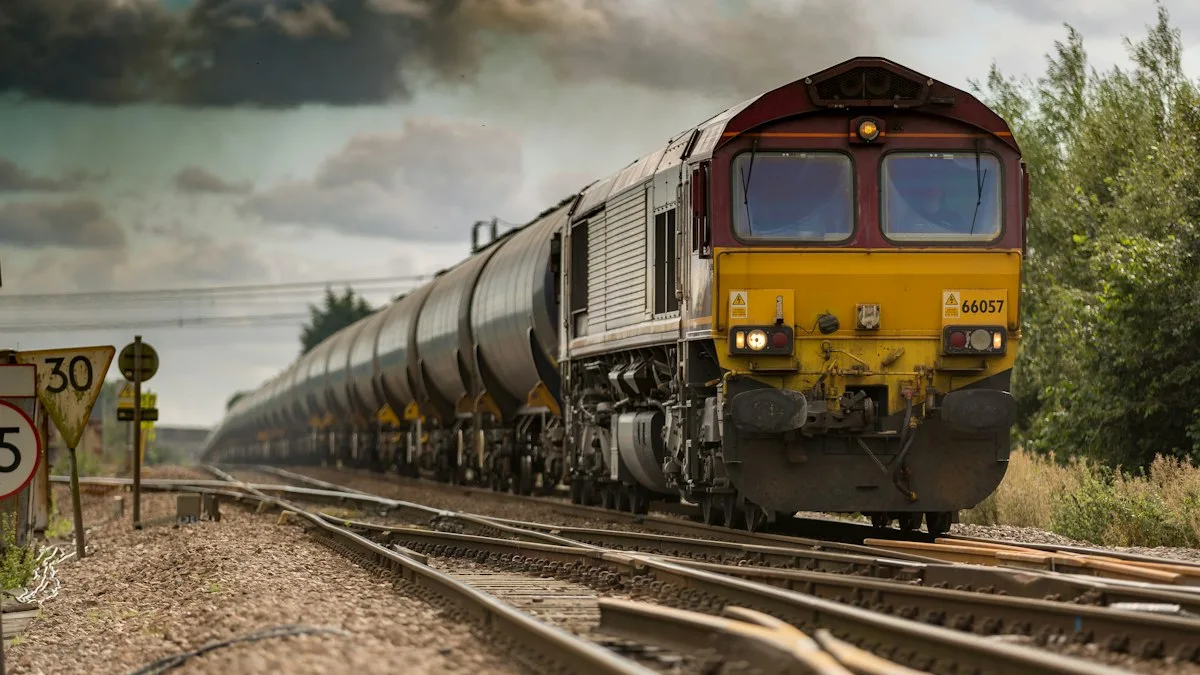
Thousands of cheering residents lined Mahatma Gandhi Road and Indiranagar’s 100 Feet Road intersection on the afternoon of October 20, 2011 as Namma Metro’s sleek purple-and-silver three-car BEML-Rotem train glided out of Baiyappanahalli station, inaugurating South India’s first modern rapid-transit metro line across a 6.7-kilometre elevated corridor.
Making Bengaluru only the third Indian metropolis after Kolkata (1984) and New Delhi (2002) to commission heavy-rail urban metro operations, Phase-1 Reach-1 linked six elevated stations—Baiyappanahalli, Swami Vivekananda Road, Indiranagar, Halasuru, Trinity, and M.G. Road—cutting peak-hour travel times to 14 minutes at introductory fares between ₹10 and ₹15.
750V Third-Rail Aesthetics and Phase-1 Network Blueprint
Powered by a 750-volt DC bottom-contact third rail rather than overhead catenary gantries, the standard-gauge viaduct preserved boulevard sightlines while establishing the operational nerve centre for BMRCL’s wider 42.3-kilometre East-West and North-South Phase-1 network chronicled across our Cities desk.
| Assessment Dimension | Verified Filing / Operational Benchmark |
|---|---|
| Core Coverage Domain | Cities & Civic Infrastructure — Urban Transit |
| Headline Quantitative Anchor | 1.6 lakh (Flagged off on October 20, 2011, Namma Metro’s 6.7-kilometre elevated Reach-1 corridor made Bengaluru the third Indian city after Kolkata and Delhi to operate a rapid-transit metro system—and the first in South India.) |
| Primary Institutional Authority | Bangalore Metro Rail Corporation Limited (BMRCL) & Ministry of Urban Development |
| Operational Mechanism | Six stations—Baiyappanahalli, Swami Vivekananda Road, Indiranagar, Halasuru, Trinity, and Mahatma Gandhi Road—compressed a 35-minute Old Madras Road bus crawl into a 14-minute ride. |
| Safeguards & Downstream Impact | Unlike Delhi Metro’s 25 kV overhead catenary wires, BMRCL adopted 750V DC bottom-contact third-rail power collection, eliminating overhead masts along leafy boulevard skylines. |
Urban Engineering, Environmental Enforcement and Commuter Capacity
For metropolitan planners and millions of daily commuters following Cities & Civic Infrastructure, Urban Transit highlights the urgent shift toward quantified, sensor-backed civic management across Indian urban agglomerations. Directives and progress telemetry from Bangalore Metro Rail Corporation Limited (BMRCL) & Ministry of Urban Development anchored by 1.6 lakh show how transit electrification, air-shed dust suppression, and municipal infrastructure are increasingly governed by real-time operational thresholds.
Urban mobility and environmental health are tightly interlinked across fast-growing metropolitan regions. Enforcing structural norms so that Unlike Delhi Metro’s 25 kV overhead catenary wires, BMRCL adopted 750V DC bottom-contact third-rail power collection, eliminating overhead masts along leafy boulevard skylines. helps civic agencies curb peak-hour vehicular emissions, shorten door-to-door commuter travel times, and protect vulnerable neighbourhoods during seasonal weather inversions.

Last-Mile Connectivity, Municipal Coordination and Citizen Advisories
Equally decisive for sustained urban liveability is inter-agency coordination across municipal corporations, metro rail corporations, traffic police, and pollution boards: More than 1.6 lakh curious citizens rode the Purple Line over its opening Diwali weekend using contactless RFID tokens and Namma Metro smart cards. Civic researchers contributing to India News Today note that feeder buses, pedestrian plaza integration, and transparent ward-level wardens turn capital infrastructure into daily commuter relief.
Residents and enterprise facilities teams tracking Live Blog Updates should monitor daily bulletin revisions, corridor commissioning schedules, and ward-level compliance inspections over the weeks ahead.
Key Implementation Checklist, Stakeholder Impact and Verification Trail
Synthesizing the primary documentary record filed under Bangalore Metro Rail Corporation Limited (BMRCL) & Ministry of Urban Development — Commissioning of Phase-1 Reach-1: Baiyappanahalli to M.G. Road (October 20, 2011), institutional reviewers identify three interconnected execution pillars that separate durable reform from short-term announcements around Urban Transit. First, anchoring capital, operational, or curatorial allocations around 1.6 lakh establishes an auditable baseline—specifically reinforcing the core mandate that Flagged off on October 20, 2011, Namma Metro’s 6.7-kilometre elevated Reach-1 corridor made Bengaluru the third Indian city after Kolkata and Delhi to operate a rapid-transit metro system—and the first in South India. Second, technical protocols governing day-to-day rollout require participating agencies and operators to verify that Six stations—Baiyappanahalli, Swami Vivekananda Road, Indiranagar, Halasuru, Trinity, and Mahatma Gandhi Road—compressed a 35-minute Old Madras Road bus crawl into a 14-minute ride.
For citizens, enterprise decision-makers, and policy researchers consulting CNN-News18’s Newsroom Topics Directory and Multi-Year Archive, tracking how central notifications interface with state-level or last-mile execution remains essential. Historical precedent across Indian infrastructure, regulatory, judicial, scientific, and market cycles shows that early transparency in procurement, telemetry reporting, and public grievance redressal substantially accelerates adoption while compressing implementation risk across subsequent fiscal quarters.